The type of material you use can turn a project into a success or a failure when you are getting into a new DIY project, finishing a room, or even working on a craft. You need something that is dependable, comfortable to operate, and that can be customized to deal with your creative vision. You have probably stumbled on the term kbns hardboard in case you have been in need of that ideal material. This may be technical lingo but it just means a particular form of hardboard that is smooth to touch and very uniform. Imagine, it is the faithful, general-purpose canvas of the building and making of the world. It is the silent workhorse of so many projects, a smooth new cabinet backer panel, or a heavy-duty custom bulletin board.
This guide will deconstruct all that you have to know about kbns hardboard in clear and easy to understand language, demonstrating to you the reasons why it may be the best fit in your next big idea.
What is KBNS Hardboard?
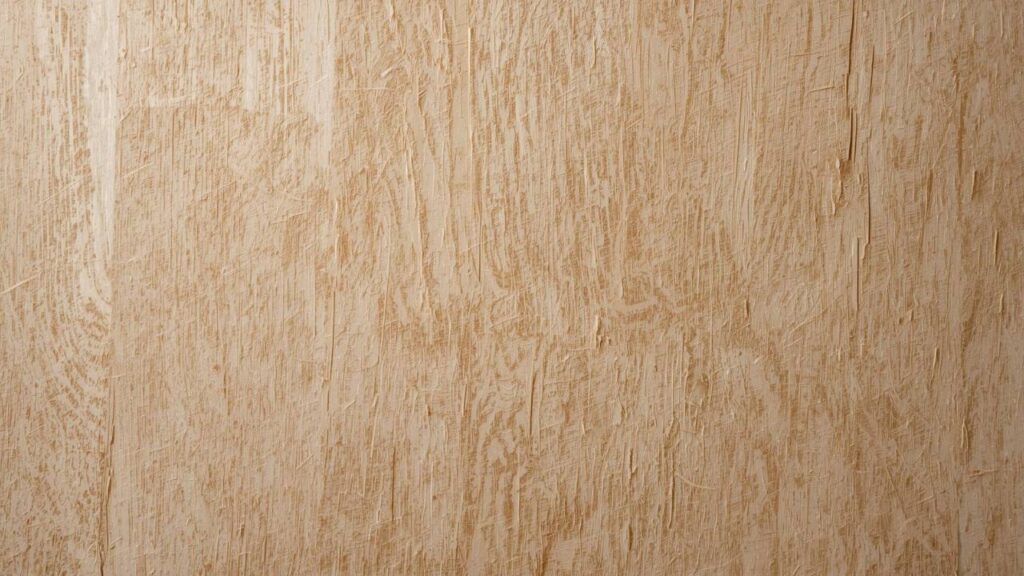
Let’s start with the basics. Kbns hardboard is that kind of engineered wood product, though the explained engineered aspect should not make you scared. It is manufactured by converting hardwood or soft wood residue into wood fibers, mix them with wax and a binding resin, and press and heat them into thick and solid sheets. Its distinguishing trait is the smooth consistent finish on one side, commonly called the good side, and a rough screen design on the other. The very word KBNS can probably refer to a grade or manufacturing standard or brand name that guarantees a particular degree of quality and performance. This hardboard is uniform unlike plywood whose layers are visible or the particle board whose texture is rough and thus making it very easy to cut, paint, and shape to a monumental number of uses inside and outside your home.
Key Benefits of Hardboard
Why not use kbns hardboard as compared to other building panels? The advantages are quite nice. Firstly, it is so smooth and offers a great painting surface with no knots or grain showing through ever giving you a perfect finish. It is also highly dense, durable and it can withstand dents and impacts compared to most other low-cost materials, so your projects will look good many years later. The other massive benefit is that it is cost effective- it provides high quality appearance at a low cost as compared to solid wood or quality plywood.
Also, it is extremely adaptable; when wet, you can bend it (to work on curvy projects) and there are varying thicknesses of it, which means that it can be put into practice with projects as fine as crafts or projects that are more structural. It makes a dream material both to the beginners and the experienced.
Different Types of Hardboard
Although kbns hardboard is a particular type, it is convenient to understand how it is a member of a bigger family of hardboard. The most widespread is the standard hardboard and the tempered hardboard. Your all purpose hardboard is standard hardboard which is excellent in most in-door projects where the factor of moisture is not critical. Oils and resins have been added to tempered hardboard in the manufacturing process, making it much harder, less liable to moisture, and less apt to swell or warp. This renders it the clear choice of outdoor projects, high-traffic environment or any area where extra durability is required. Learning this distinction is the difference between choosing the appropriate material – kbns hardboard can mean either of the two types, so always look at the product specification of your project.
Choosing the Right Hardboard
Choosing the ideal piece of kbns hardboard to use in your project is easier than you imagine and the whole thing boils down to a few questions. First, there is the environment: Is it an indoor or an outdoor project? Tempered hardboard is required to be used in any outdoor applications or where the conditions are likely to be damp (such as a bathroom). Then consider the thickness; the usual thicknesses are 1/8-inch to 1/4-inch. Thinner panels are ideal in supporting and crafts whereas heavier panels are more rigid in supporting shelves or doors. Test the surface also; make sure the smooth side is not marred in any critical areas or scratched in case it might be exposed. Lastly, never hesitate to ask someone at your local home improvement store to help you out–they can help you to the correct product and even cut it to fit.
Working With Hardboard Safely
A enjoyable and safe project requires simple care while utilizing kbns hardboards, as with other material. It creates fine dust while cutting, scoring, or sanding hardboard. To avoid breathing this dust, use safety glasses and a dust mask or respirator. Airflow is important while cutting in the home. To prevent splinters and wounds, use gloves while dealing with sheets with sharp edges. You should also use sharp instruments to avoid backlash and mishaps. A dull blade may shred fibers and make the material tougher to manage.
Painting and Finishing Tips
Perhaps the most useful quality of kbns hardboard is that it is a delight to paint on, yet minimum preparation ensures a professional look. Start by gently sanding the smooth panel surface with a fine-grit sandpaper (220-grit) to help the primer cling. Clean the surface with a wet cloth and let it dry to remove sanding dust. Paste on an excellent primer to prevent tannin from seeping through your paint. Let your primer dry before applying paint—latex acrylics work well. A clear polyurethane layer on top may extend its life, particularly on tabletops and shelves.
Hardboard and Sustainable Practices
Today, it’s more vital than ever to consider the environmental effect of our products. The fact that kbns hardboard is eco-friendly will delight you. Why? It is made almost entirely from recycled wood fibers from other wood making techniques. This means it reduces trash by using landfill material. Good producers get these fibers from sustainable forests, ensuring an eco-friendly product lifespan. You’re making a smart, practical, and often sustainable choice by using hardboard.
Your Project’s Best Friend: Hardboard Compared
| Feature & Feel | Standard Hardboard (The All-Purpose MVP) | Tempered Hardboard (The Durable Protector) |
| Best For | Indoor projects like cabinet backs, crafts, painting, and furniture backing. | Outdoor signs, high-moisture areas, and projects needing extra toughness. |
| The Vibe | Reliable, smooth, and perfect for a flawless painted finish. | Tough, resilient, and built to handle the elements. |
| Key Superpower | A Perfect Canvas: Its incredibly smooth surface is ideal for painting. | Moisture Resistance: Treated to resist warping and swelling. |
| Where It Shines | Inside your home, where it’s dry and protected. | In garages, bathrooms, outdoors, or any place with dampness. |
| The Cost Factor | Very affordable and cost-effective for most DIY uses. | Slightly more expensive, but worth it for the added durability. |
| Perfect Example | Creating a smooth backing for a bookshelf. | Building a durable outdoor address sign. |
Conclusion
Kbns hardboard is much more than a generic sheet of building material. It is a tribute to simplicity, versatility and clever design. Its clean surface also offers the perfect base of continuous creative actions both in practical home beautifications as well as in artistic projects. Durability makes sure that the work you do will last and affordability makes big projects a possibility to all. Being a professional carpenter or a DIY amateur of the weekend, having knowledge of how to select this remarkable material and use it is what allows you to make your idea come true without any hesitation. Then, in case of another project you plan, remember the simple yet strong sheet of kbns hardboard, it could be the best collaborator to your creativity.
FAQ’s
1. What is KBNS hardboard made from?
It is composed of recycled wood in the form of fibers that are pressed into wood together with resin producing a smooth and dense panel that can be used in DIY projects.
2. Can I use it for outdoor projects?
Only when it is precisely indicated to be tempered hardboard that is processed to be moisture-resistant. Normal hardboard can only be used indoors.
3. What’s the best way to paint hardboard?
Always start with a primer! This works well to seal the surface and give your paint better adhesion, creating you a good professional looking finish.
4. Is hardboard strong enough for shelves?
Yes, although use a heavier panel (such as 1/4-inch) that will be more supportive. Additional brackets or supports to the shelf can be used to support heavier items.
5. How do I cut hardboard without splintering?
Cut with a sharp object such as a fine-toothed saw or a scoring device and make sure that the cutting is done with a smooth side up in order to maintain the edges clean.